
When you swallow a caffeine pill, it travels through your stomach, into your small intestine, gets absorbed into the bloodstream, passes through the liver, and finally reaches your brain. That takes 30 to 60 minutes. Buccal absorption skips almost all of it.
What buccal absorption is
Buccal absorption is the uptake of a substance through the lining of your mouth, mainly the inner cheeks. That tissue is thin, rich in blood vessels, and connects more or less directly to your bloodstream.
Why it is faster
When caffeine crosses the cheek lining, it enters the blood directly and bypasses the slow trip through the gut and liver. In practice that means:
- Onset in about five to ten minutes, versus 30 to 60 for pills
- Less lost along the way, so more of the dose reaches you
- More predictable timing, because it is not waiting on whatever is in your stomach
The research
A 2002 study in the International Journal of Pharmaceutics compared caffeine delivered by chewing gum against capsules. The gum reached peak blood levels roughly twice as fast, with time-to-peak around 44 to 80 minutes for gum against 84 to 120 minutes for capsules. That speed advantage is the reason a chewable format makes sense for focus.
Why gum is the ideal vehicle
Chewing is what makes it work. The action releases the caffeine from the gum base and boosts both saliva and blood flow in the mouth, which helps the caffeine cross the cheek lining instead of being swallowed and sent through the gut.
What it means for you
If you need focus now, not in 45 minutes, buccal delivery is about the fastest route available short of an injection. It is the same logic behind tablets that dissolve under the tongue: when speed matters, you go through the mouth, not the stomach.
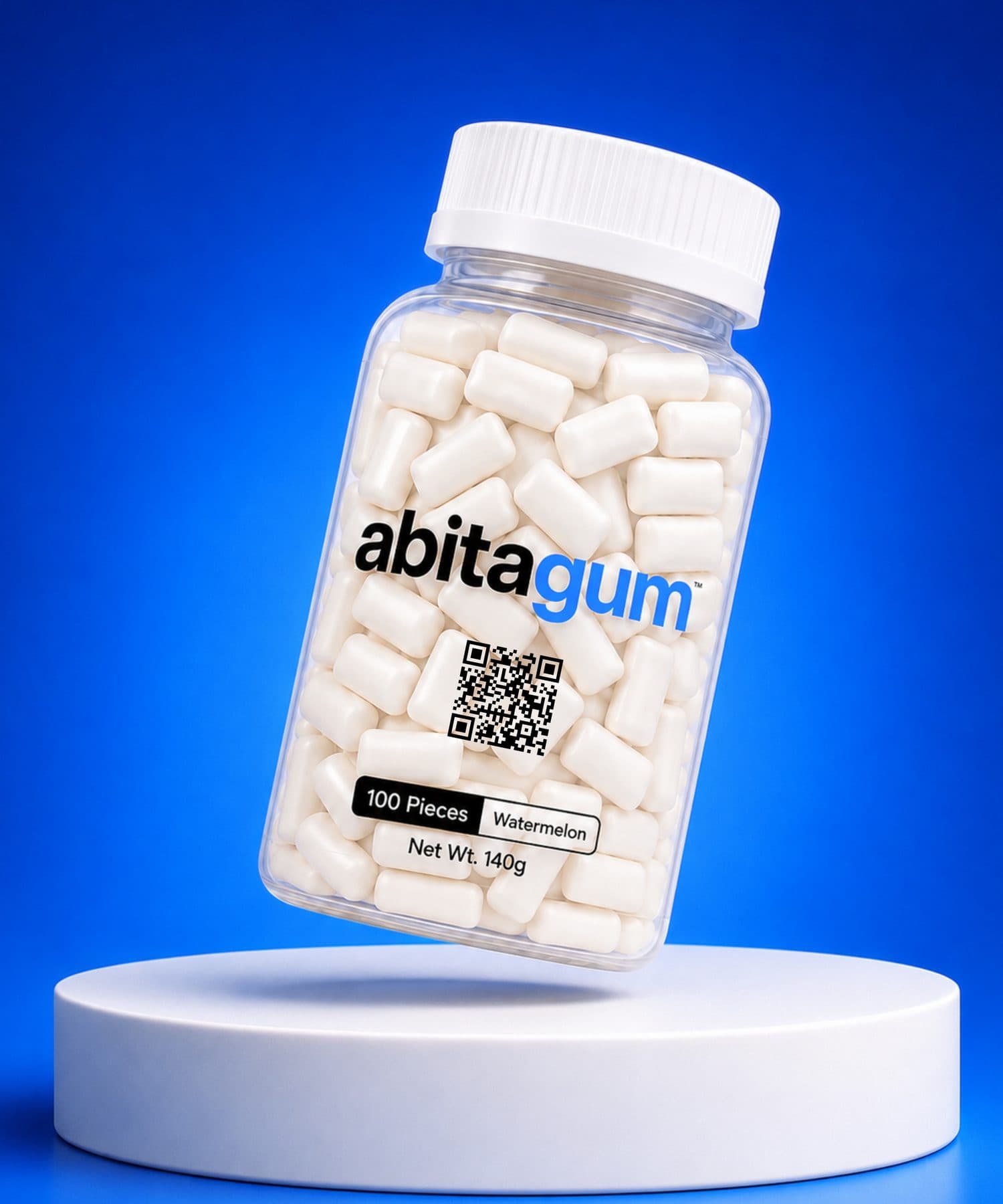
Focus Gum · 100 pieces · $29.99
The five-minute focus ritual this article keeps mentioning.