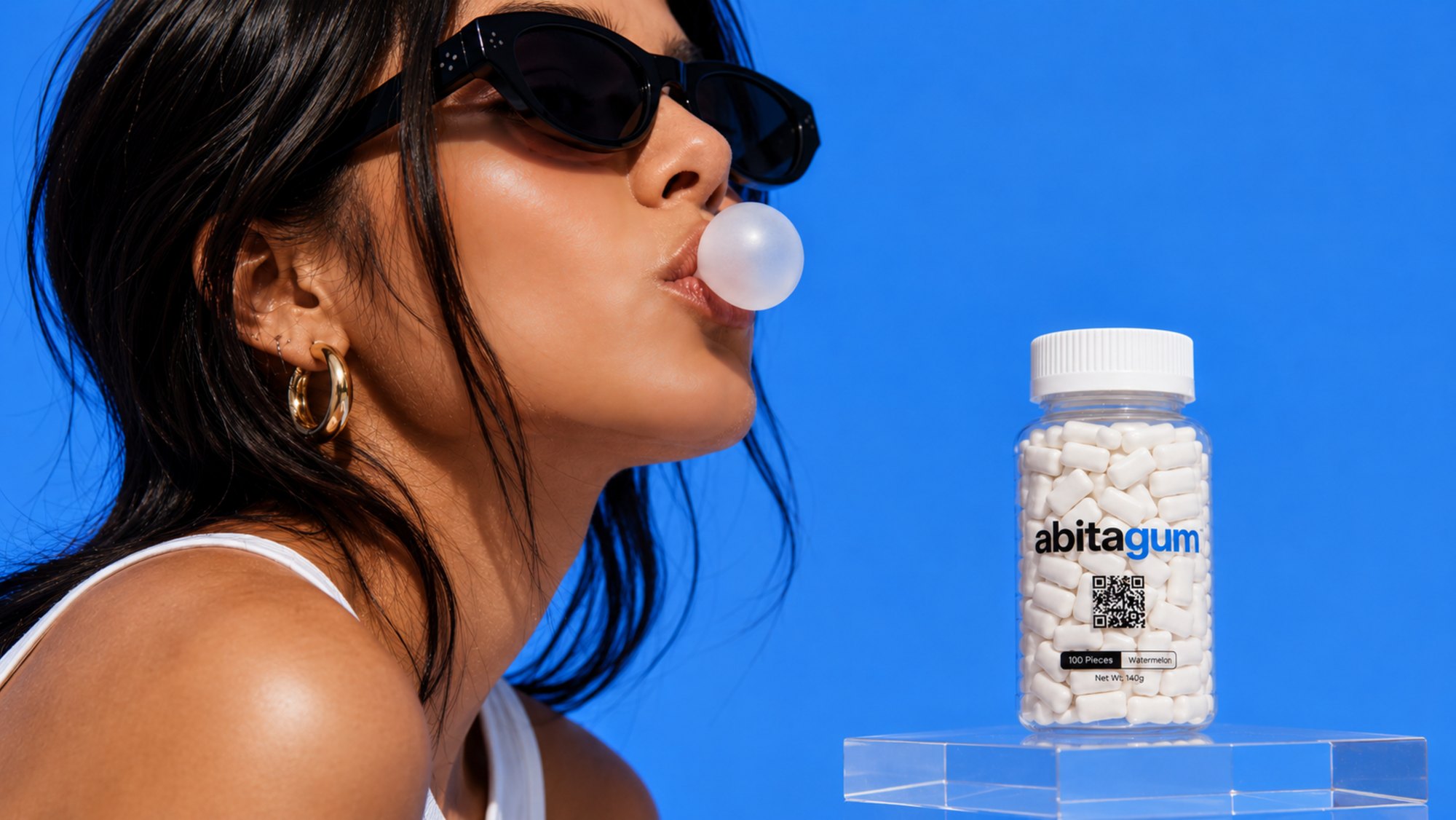
Gum has an old reputation as a sugar bomb for your teeth. That is true of the sugary stuff, but sugar-free gum sweetened with xylitol is a different story, and a surprisingly good one for your mouth.
What xylitol is
Xylitol is a naturally occurring sugar alcohol with a sweetness close to sugar but almost none of the downsides. It tastes clean, has a very low impact on blood sugar, and unlike sugar it cannot be fermented by the bacteria that cause tooth decay.
How it helps your teeth
Two things are going on. First, chewing itself drives saliva, and saliva is your mouth's natural buffer; it rinses away food and neutralises acid. Second, the main decay-causing bacteria, Streptococcus mutans, cannot use xylitol for fuel, and regular exposure appears to reduce how well it sticks to your teeth in the first place.
What the evidence says
Reviews of the research find that xylitol gum can reduce cavity occurrence compared with no gum or a placebo, and a 2022 meta-analysis reaches a similar conclusion, with the clearest benefit when it is chewed a few times a day after meals. Chewing gum as a dental aid is well enough established that major dental bodies now formally recognise certain sugar-free gums. It is not a replacement for brushing and fluoride, but it is a genuine helper rather than a guilty pleasure.
A bonus for low-carb and keto
Because xylitol barely moves blood sugar and has minimal usable carbohydrate, a piece of gum will not knock you out of ketosis or spike your glucose. That is part of why we chose it over sugar or a cheaper filler.
One important warning
Xylitol is safe and beneficial for people, but it is toxic to dogs even in small amounts. Keep the bottle somewhere your pets cannot reach, the same way you would with chocolate or coffee.
The bottom line
Sweetening Abitagum with xylitol means every piece is sugar-free, friendly to your blood sugar, and on the side of your teeth rather than against them.
References
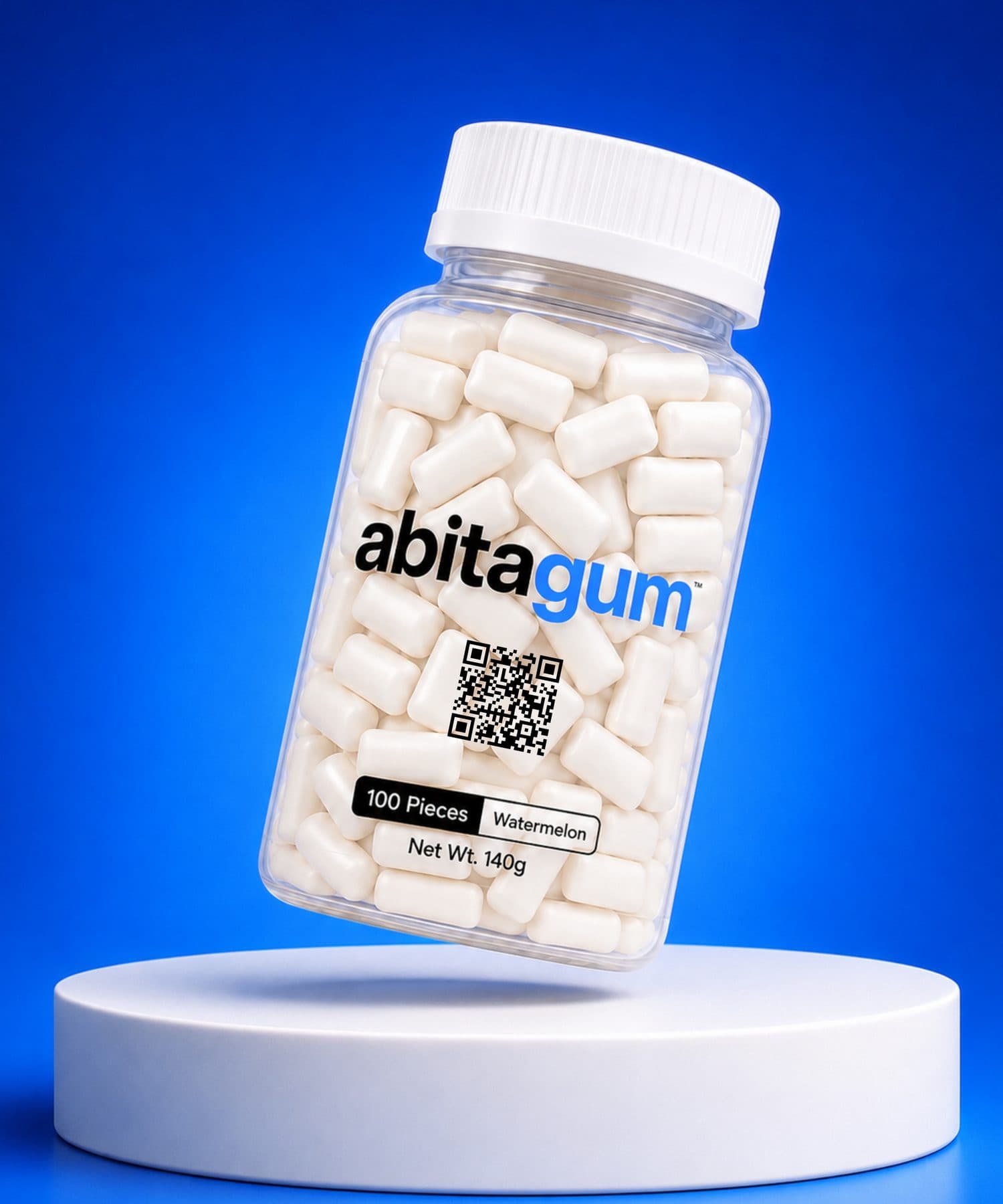
Focus Gum · 100 pieces · $29.99
The five-minute focus ritual this article keeps mentioning.