
Caffeine is the most widely used stimulant on earth, and most adults have it daily. But how much is safe, and when does it start doing more harm than good?
The official guidance
Australian guidance from FSANZ lines up on these numbers:
- Adults: up to 400mg a day, about four cups of coffee, with single doses up to 200mg
- Pregnancy: up to 200mg a day
- Adolescents: lower again, and worth being cautious with
These are conservative figures for the general population. Individual tolerance varies a lot with genetics, body weight and how used to it you are.
Signs you have had too much
- Jitters or shaky hands
- Anxiety or racing thoughts
- A pounding or fluttering heart
- Trouble sleeping, even hours later
- An unsettled stomach
- Headaches, from either too much or withdrawal
The case for micro-dosing
Smaller, spread-out doses tend to hold alertness steadier than one big hit. That approach avoids the spike and crash, lowers jitter risk, gives you precise control over your daily total, and is gentler on your sleep.
Finding your sweet spot
Start low. One piece of Abitagum is 20mg, around a fifth of a strong coffee. Try one or two and see how you feel after fifteen minutes. Most people settle somewhere between 40 and 80mg of working dose, taken across the day as needed.
The L-theanine factor
Pairing caffeine with L-theanine, as each piece does, takes the edge off the side effects. Research on the pairing links it to the calm-but-alert state behind flow, so you keep the upside of caffeine with less of the buzz.
The bottom line
Caffeine is a tool, and the dose is what separates helpful from harmful. Start small, watch how your body responds, and find what works for you.
References
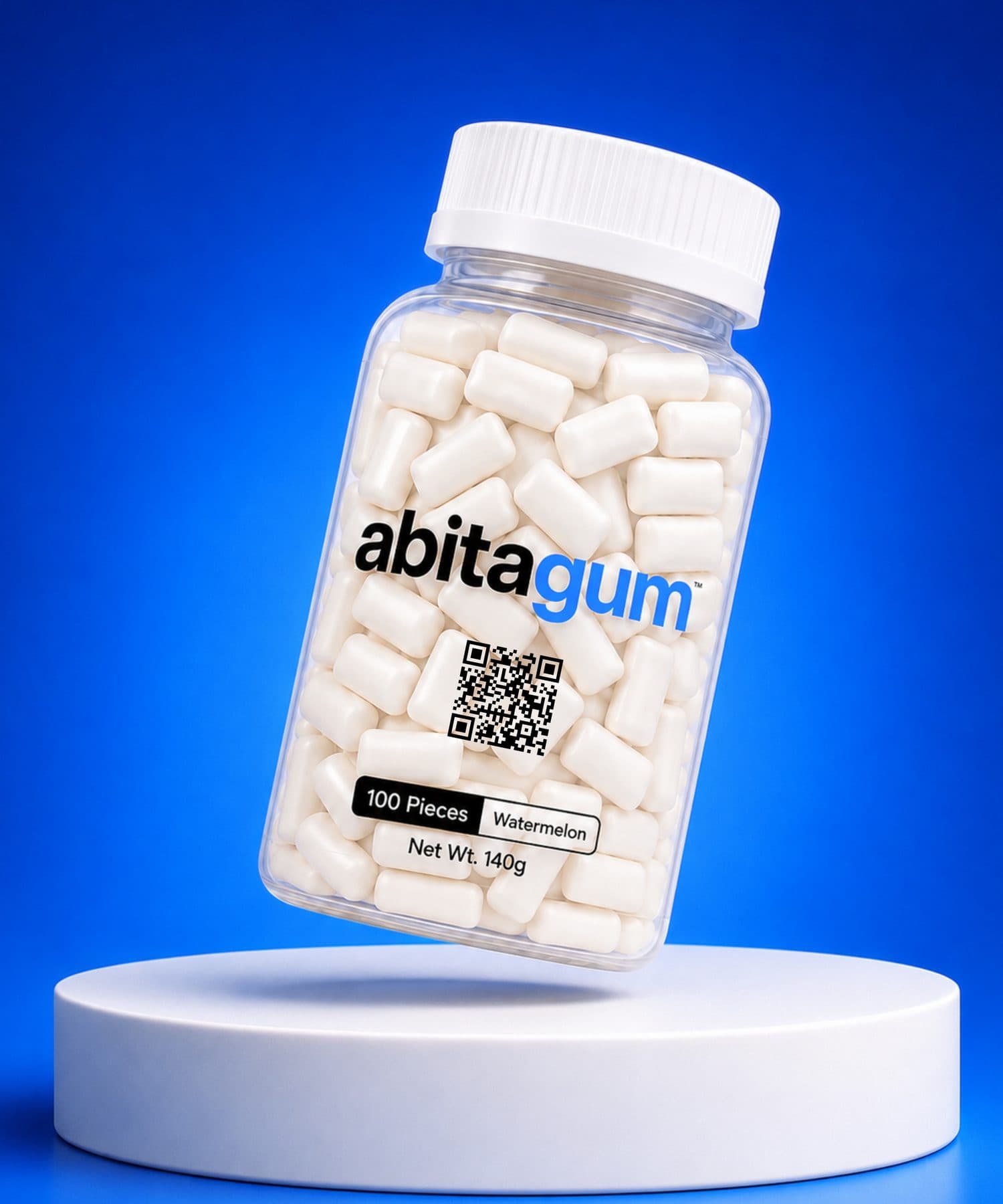
Focus Gum · 100 pieces · $29.99
The five-minute focus ritual this article keeps mentioning.